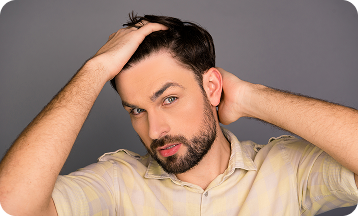
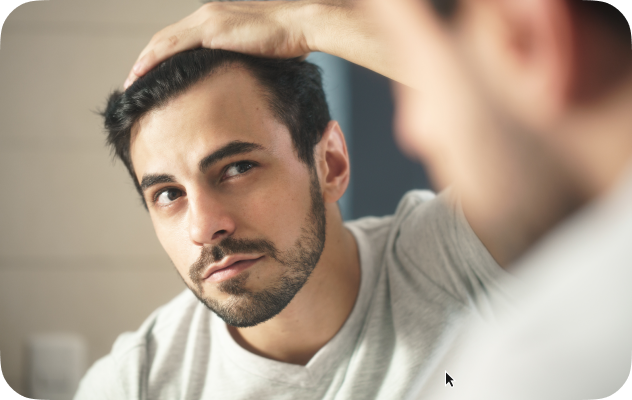
Alopecia, a condition characterized by hair loss, can be distressing and impact one’s confidence and self-esteem. There are several types of alopecia, including androgenetic alopecia (male or female pattern baldness), alopecia areata (an autoimmune condition causing patchy hair loss), and traction alopecia (hair loss due to tension from hairstyles). While the causes and patterns of alopecia vary, effective treatment options are available to manage and, in some cases, reverse hair loss.
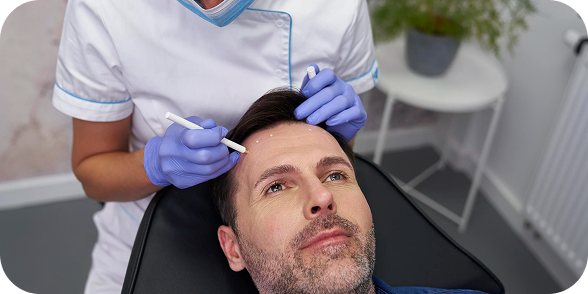
For those with androgenetic alopecia, we offer advanced treatments such as Follicular Unit Extraction (FUE) hair transplants. FUE is a minimally invasive technique that involves extracting individual hair follicles from a donor area, typically the back of the head, and transplanting them to thinning or balding areas. This method is preferred for its precision, natural-looking results, and minimal scarring. At UKHT, our skilled surgeons use state-of-the-art technology to ensure that each transplant is meticulously performed, resulting in a fuller, more natural head of hair.
Alopecia Areata
Alopecia areata is an autoimmune condition that causes hair loss in small, round patches on the scalp and other areas of the body. The condition occurs when the immune system mistakenly attacks hair follicles, leading to hair loss. While alopecia areata can affect anyone, it often manifests suddenly and can be distressing for those affected. Understanding the available treatment options and how UK Hair Transplant (UKHT) Clinics can assist in managing this condition is crucial for those seeking to regain their hair and confidence.
Treatment Options for Alopecia Areata
Alopecia areata has no cure, but several treatments can help manage the condition and promote hair regrowth. The choice of treatment depends on the severity of the condition, the extent of hair loss, and the patient’s overall health. Here are some of the most common treatment options:
Topical Treatments
Corticosteroids, applied as creams, ointments, or foams, are often the first line of treatment for alopecia areata. These anti-inflammatory medications help suppress the immune system’s attack on hair follicles, allowing hair to regrow.
Injections
For small patches of hair loss, corticosteroid injections directly into the affected areas can be effective. This treatment helps stimulate hair regrowth by reducing inflammation at the follicular level.
Oral Medications
In more severe cases, oral corticosteroids or immunosuppressants may be prescribed. These medications work systemically to suppress the immune response, potentially halting hair loss and promoting regrowth.
Topical Immunotherapy
This involves applying chemicals such as diphencyprone (DPCP) to the scalp, which creates an allergic reaction and diverts the immune system’s attention from attacking hair follicles. It is typically used for more extensive hair loss.
By choosing UKHT, you don’t just get access to advanced devices—you get a comprehensive care pathway that maximises your results and supports you every step of the way.
How we can help with alopecia
At UK Hair Transplants (UKHT) Clinics, we understand the emotional toll that alopecia can take, and we are committed to providing personalized, effective treatments to help restore both hair and confidence. Our approach begins with a comprehensive consultation, where our expert team evaluates the specific type and extent of alopecia you are experiencing. This allows us to develop a tailored treatment plan that addresses your unique needs.